

Sanctions, Strategy, and Supply Chains: How Russia Replaced the United States as Venezuela’s Naphtha Lifeline in a New Global Oil Order

Multi-perspective analysis of Venezuela’s strategic shift from the United States to Russia as its main supplier of naphtha, following U.S. sanctions and Chevron’s license revocation. This development reshapes energy markets, geopolitics, and has profound implications for Venezuela, the U.S., Russia, and the world at large.
Introduction
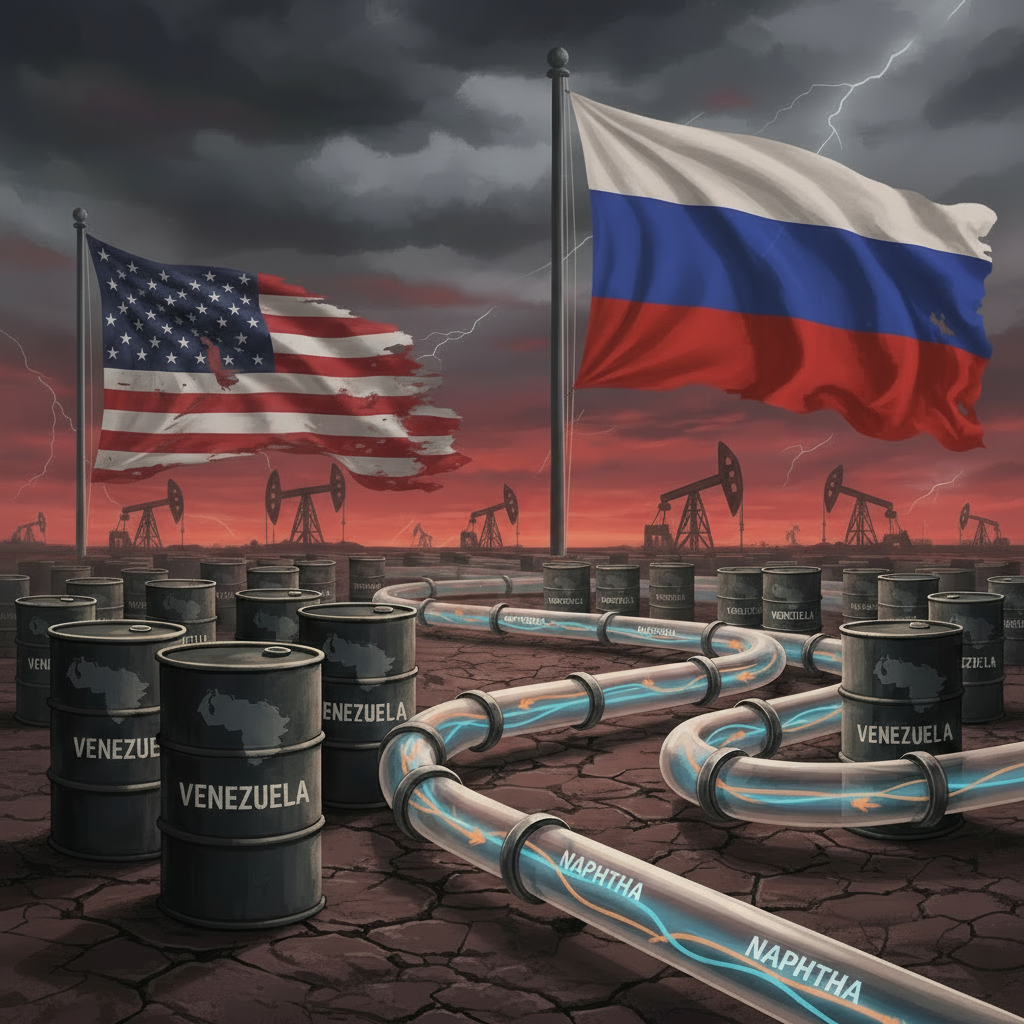
The realignment of Venezuela’s naphtha supply—from U.S. dominance to Russian leverage—signals more than a mere trade rerouting. It encapsulates a story of geopolitics, economic distress, technological shifts, and the complex global sanctions regime. In 2025, Venezuela, once dependent on U.S. energy companies and refineries, now looks to Russia for the naphtha necessary to dilute and export its extra-heavy crude oil, a lifeline for its embattled economy.
Background: Naphtha and Venezuela’s Oil
Naphtha is a light petroleum fraction essential for blending with Venezuela’s Orinoco Belt heavy crude to facilitate pipeline transport and export readiness. Venezuelan crude is among the world’s densest, requiring significant light diluent for shipment. Historically, the U.S. supplied nearly all of Venezuela’s naphtha, benefiting American refineries with surplus product deployment.
However, years of escalating U.S. sanctions—starting from 2019—choked this supply. The root was not sanctions alone but also a decade-long deterioration in Venezuela’s oil infrastructure, mismanagement, loss of skilled workforce, and mounting debts.
Key Statistics and Timeline
- Pre-Sanctions: U.S. supplied an average of 57,600 barrels/day of naphtha to Venezuela in 2024.
- Post-Sanctions: Russia exported >7 million barrels between March and October 2025; monthly flows were 49–69,000 barrels/day.
- Taiwan’s Role: Taiwan became the world’s leading importer of Russian naphtha, buying 6.8 million tons (worth $4.9 billion) since 2022, amounting to ~20% of Russia’s global export.
- Venezuelan Oil Exports: Stabilized around 800,000–900,000 barrels/day post-2024, but well below the 3 million barrels/day peak of 2013.
- Russian Exports: Russia’s projected annual naphtha export to Venezuela for 2025: 2.5–2.8 million tons.
Drivers Behind the Shift
U.S. Sanctions and Chevron License Revocation
- In 2019, the U.S. Treasury imposed wide-ranging sanctions on PDVSA, Venezuela’s state oil company, and other sectors, severing financial flows and freezing assets.
- Chevron’s operating license—as a joint venture partner in Venezuela—became a lifeline until 2025, when it was revoked, finally halting all significant legal U.S. trade in naphtha.
- Trump’s administration rejected Venezuelan overtures for oil and mineral deals, opting instead for a hardline stance to pressure the Maduro government.
- While the U.S. briefly lifted select sanctions in late 2024, production growth remained severely hampered by decrepit infrastructure and the exodus of skilled labor.
Venezuela’s Urgent Need
Venezuela’s upstream production—once a Latin American powerhouse—faced technical and financial collapse. Critical facilities, refineries, pumps, and export terminals require urgent upgrades. With diminished access to U.S. naphtha, PDVSA sought new import sources, first China, then Iran, but Russia ultimately offered the best fit by price and product compatibility.
Russian naphtha—with a heavier sulfur content—matches Venezuela’s crude better than alternatives, facilitating smoother blending and more reliable exports. The cost advantage and logistical reliability further tilted the scales toward Moscow.
Russia: Economic and Geopolitical Gains
Taking the U.S.’s place, Russia capitalized on the forced vacancy in the Latin American energy sector. Beyond basic commercial advantage, Russia moved to lock in strategic partnerships with Venezuela, expanding collaboration into military, technological, and diplomatic domains.
- Market Expansion: Russian oil product exports surged, especially to Venezuela and Asia (China, Taiwan, India), offsetting revenue losses from Western sanctions.
- Strategic Leverage: Russia’s enriched naphtha helps PDVSA keep oil flowing, giving Moscow an outsize influence in Caracas’s decision-making.
- Sanctions-Evasion Model: The arrangement exemplifies how sanctioned states form alternative trade networks, diluting the effectiveness of Western embargoes and sanctions regimes.
Venezuela: Survival, Risks, and Transformation
While Russian imports have stabilized Venezuelan output in the short term, the country’s challenges remain enormous.
Technical and Operational Hurdles
- Collapsed infrastructure: Pipelines, refineries, and storage tanks are in disrepair, hindering sustainable production growth.
- Knowledge gap: Thousands of engineers and oil specialists have left Venezuela, impacting operational reliability and innovation.
- Environmental hazards: Equipment failures and reduced oversight have triggered increased oil spills and flaring.
Financial and Political Risks
- Sovereign debt: Venezuela’s massive financial obligations deter international investment and raise insurance/shipping costs.
- Regulatory ambiguity: The threat of renewed U.S. or European sanctions dissuades risk-averse oil companies from engagement.
- Geopolitical exposure: Growing reliance on Russia deepens Venezuela’s isolation from Western funding, tech access, and markets, further entrenching its alignment with other autocratic states.
United States: Strategic Losses and New Challenges
The U.S. government’s approach—especially under President Trump—was to maximize pressure on Nicolás Maduro by economic isolation. The anticipated result was regime change or at least meaningful democratic reform. Instead, Venezuela did not capitulate and found alternatives for its strategic oil lifeline.
Effects on U.S. Energy Sector
- Reduced access: U.S. Gulf Coast refineries—which are optimized for heavy crude—lost a key supplier, forcing reconfiguration of blend strategies or price renegotiations for other sources.
- Tariff fallout: Trump’s new tariffs further discourage global buyers (esp. China and India) from using Venezuelan crude, hoping to keep Russian oil revenues capped under G7 price restrictions. Unintended consequences: alternative suppliers (including Russia) may benefit from the artificial squeeze.
- Chevron’s exit: With license revocation, American oil companies lose not just immediate profits but also strategic assets and supply chain connections.
Global Impact: A Shifting Oil Order
Disrupting Old Markets
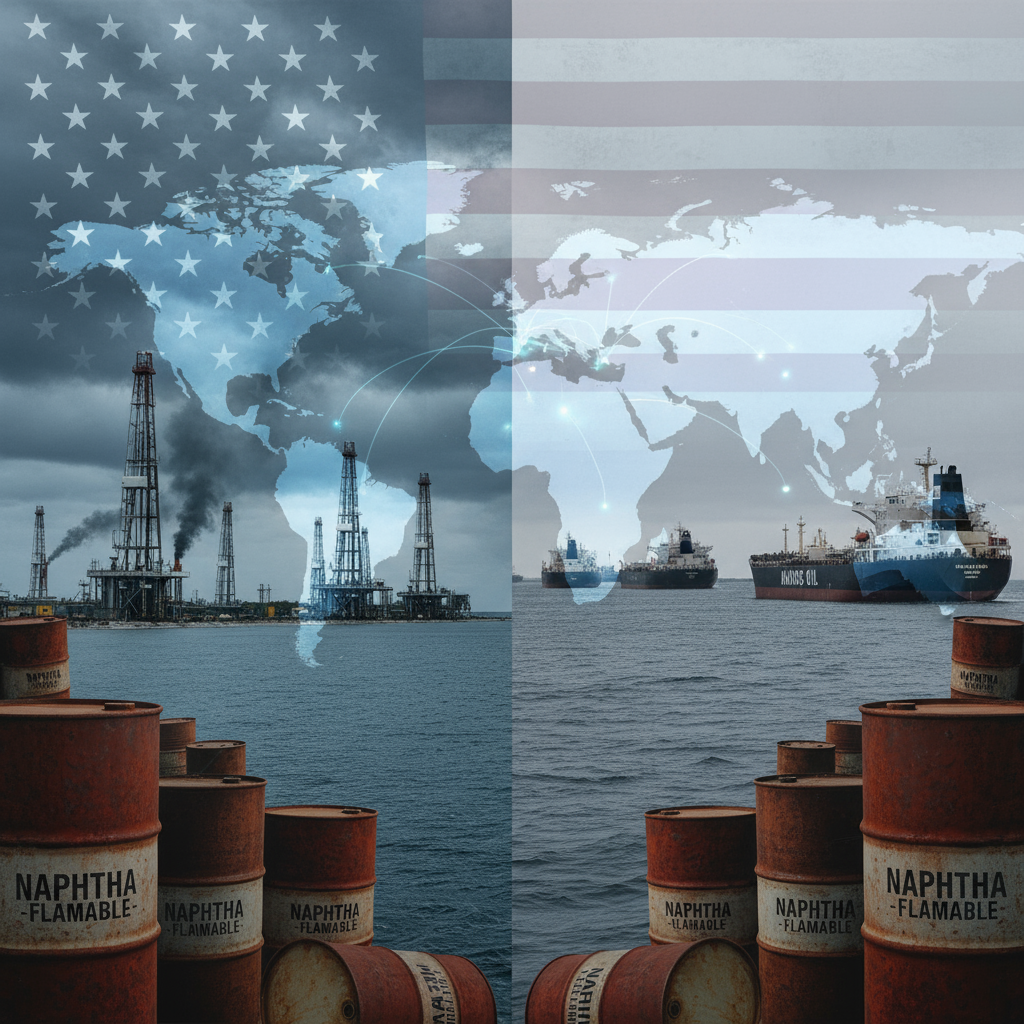
- Latin America’s energy flows are no longer U.S.-centric: Russia, China, and Iran compete for access and influence.
- Heavy crude buyers in Asia—India, China, Taiwan—are now key players, increasing demand for Russian and Venezuelan blends.
Sanctions Evasion and Geopolitical Realignment
- The Venezuela–Russia partnership exemplifies how major sanctioned economies cooperate in bypassing Western restrictions, undermining the “weaponization” of finance and trade.
- Russia’s increased energy exports to Venezuela and Asia mitigate revenue losses from Western embargoes, keeping its petrostate economy afloat.
Strategic Partnerships
- Russia and Venezuela signed energy-and-defense pacts in 2025, enabling joint exploration, drilling, and international lobbying against Western sanctions.
- This “East-South” coalition, centered on mutual resistance to Western dominance, could serve as a model for other countries under pressure (Iran, North Korea, Cuba).
Future Prospects
For Venezuela
Venezuela’s short-term stabilization masks significant long-term risks. Infrastructure needs, persistent financial barriers, regulatory fears, and environmental breakdowns threaten sustainable growth. Its deepening allegiance to Russia limits options for recovery should global political winds shift.
For Russia
Russia’s expanded market strengthens its global footprint and propagates an alternative trade ecosystem, offsetting some Western sanctions pain. However, increased reliance on volatile partners and circumventing sanctions risks could create future vulnerabilities.
For the U.S.
American sanctions, while punishing Venezuela economically, have yet to create the desired political shift, and have instead shrunk the U.S. commercial and strategic footprint in Latin America. Energy companies need to adjust to new market realities and escalating competition from non-Western suppliers.
For Global Markets
Energy supply chains will continue fragmenting, with buyers in Asia and coalition economies dominating the heavy crude/naphtha market. Price volatility, supply disruptions due to geopolitical tensions, and new environmental risks will shape global trade dynamics for years.
Conclusion
The ascendance of Russia as Venezuela’s primary naphtha supplier highlights much more than a changing trade preference—it signals a major reordering of energy politics and the rise of alternative networks in response to Western sanctions. For Venezuela, it is a survival gambit with considerable long-term risk. For Russia, it is both an economic and diplomatic opportunity. For the United States, it marks a strategic setback and a warning about the limits of economic coercion. For the world, it means living through a new era of shifting alliances, uncertain supply chains, and global energy market transformation.
