


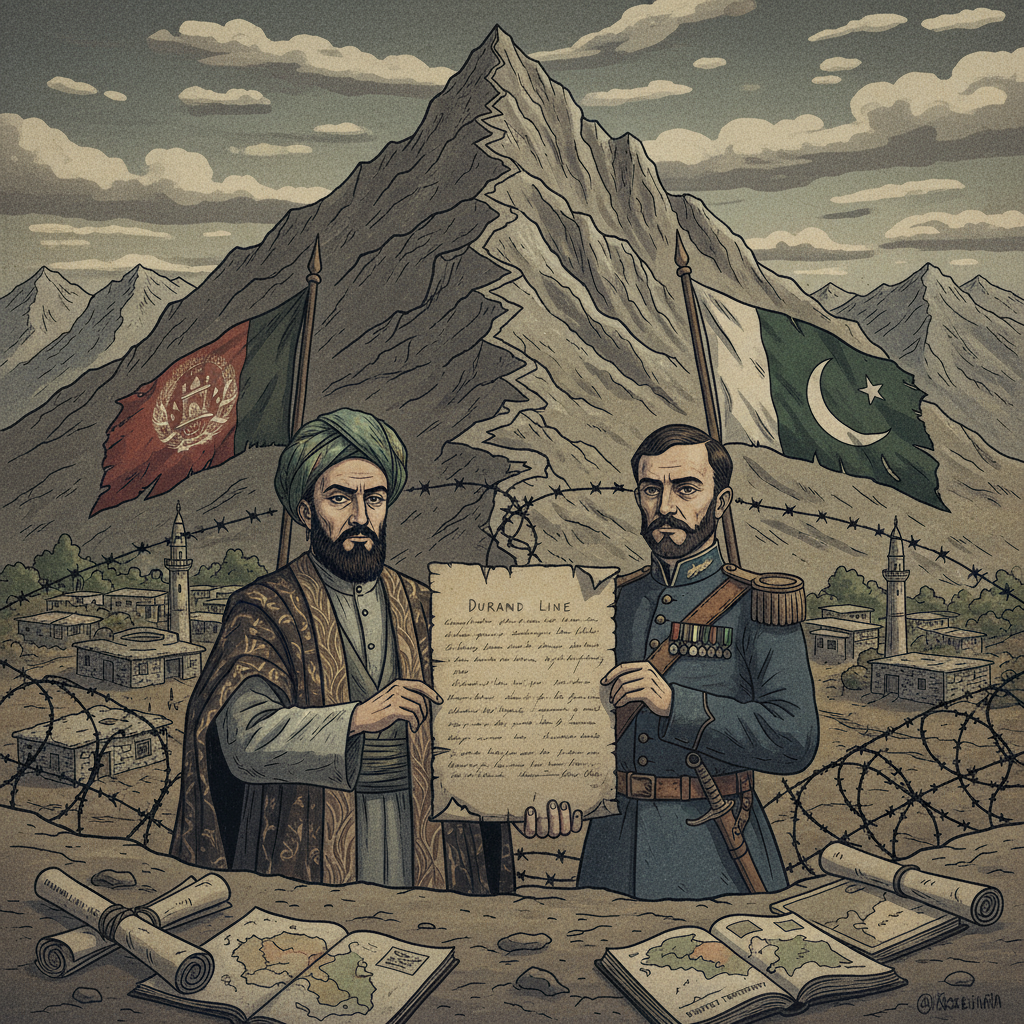
The complex relationship between Pakistan and Afghanistan is shaped by more than diplomatic missteps or modern geopolitical calculations. At its heart lie historical grievances that stretch back over a century, focusing largely on the 1893 Durand Agreement—a treaty that continues to cast long shadows over the two nations, influencing everything from border management to national identity and political alliances. To understand Pakistan and Afghanistan’s persistent mistrust and frequent disputes, it is essential to examine the origins and fallout of this agreement and how it intertwines with cultural, political, and security concerns on both sides.
Historical Context: The Durand Agreement
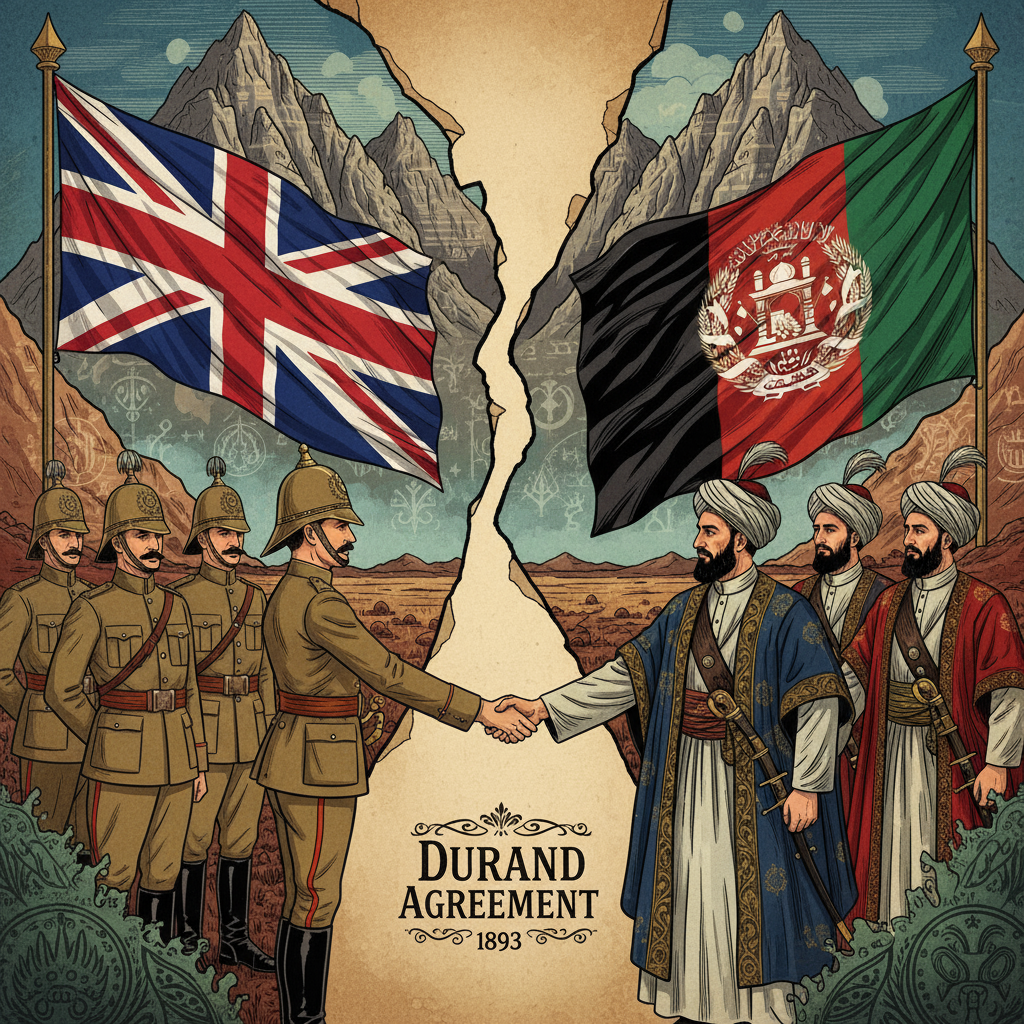
Signed on November 12, 1893, the Durand Agreement was a pact between Amir Abdur Rahman Khan, then ruler of Afghanistan, and Sir Mortimer Durand, representing British India. Its primary aim was to delineate the boundary between British India and Afghanistan to formalize spheres of influence and reduce cross-border conflicts. The frontier, which came to be known as the Durand Line, traversed areas inhabited by the Pashtun ethnic group and cut through tribal territories that had historically been fluid and resistant to rigid borders.
From the British perspective, the agreement was a strategic move to create a buffer zone between their Indian empire and Russian interests in Central Asia, part of the broader “Great Game.” For Afghanistan, the treaty was a begrudging acceptance of British dominance over the tribal areas, intended to prevent outright conflict with the stronger colonial power. Despite its political expediency, the Durand Line was drawn with little regard for ethnic and tribal realities, dividing communities and laying the groundwork for future disputes.
Contested Legitimacy and Afghan Nationalism
Afghan nationalists have long contested the legitimacy of the Durand Agreement. A common claim is that the treaty was forced under duress and was only supposed to last 100 years, expiring in 1993. This claim, however, has no basis in the original text of the agreement, which contains no expiration clause. Moreover, subsequent Afghan governments reaffirmed the Durand Line in treaties such as the Anglo-Afghan Treaty of 1919 and the Treaty of Kabul in 1921, legally cementing the border.
Despite these legal endorsements, the perception of the Durand Line as a “colonial imposition” and a “temporary” division persists deeply in Afghan political thought and public discourse. Afghan educational materials and political rhetoric continue to portray the border as illegitimate and unjust, fueling nationalist sentiments. This narrative gains further weight through the views of influential leaders like Mullah Omar, the founding leader of the Taliban, who explicitly refused to accept the Durand Line as an international boundary.
Geography, Identity, and Ethnic Ties
The dispute over the Durand Line is not merely territorial; it strikes at the core of Afghan identity and its relations with ethnic Pashtuns in Pakistan’s Khyber Pakhtunkhwa and Balochistan provinces. Many Afghans consider these regions historically part of their country, arguing that British colonialism artificially severed these lands. This belief sustains the claim that the tribal areas “belong” to Afghanistan, a view rejected by Pakistan.
For Pakistan, maintaining the integrity of its western border is a matter of sovereignty and security. The regions near the Durand Line, particularly the Federally Administered Tribal Areas (FATA) before their merger with Khyber Pakhtunkhwa, have had a history of instability, insurgency, and cross-border militancy. Islamabad sees the enforcement of the Durand Line and border fencing as critical for national security, especially given the volatile situation in Afghanistan and the threat posed by extremist groups.
Persistent Conflict and Border Management
The lack of consensus over the Durand Line has contributed to recurring border clashes and conflict. Border fencing efforts by Pakistan have been met with resistance and protests from Afghan sides, who argue that it divides families and tribes. Both countries have accused each other of supporting cross-border militant activity, making the frontier a hotspot for insurgency and military operations.
The insecurity along the border has complicated diplomatic relations, affecting bilateral cooperation. Issues such as smuggling, refugee flows, and counterterrorism efforts remain intertwined with the unresolved border question.
Political Implications and Regional Dynamics
The Durand Line dispute influences broader geopolitical dynamics involving Pakistan, Afghanistan, and external powers like India, the United States, and China. Pakistan’s strategic interests in Afghanistan are partly driven by the desire for a friendly or neutral government that respects the border and does not harbor anti-Pakistan militants.
For Afghanistan, the border issue feeds nationalist politics and garners public support for governments or groups that oppose Pakistan’s influence. The unresolved territorial claim complicates efforts to stabilize Afghanistan and build cooperative regional security frameworks.
Conclusion: Toward Resolution?
While the Durand Line remains an international border recognized by Pakistan and much of the global community, its contested status in Afghanistan continues to hinder peace and cooperation. A lasting resolution likely requires addressing not just legal and diplomatic issues but also ethnic, cultural, and psychological factors that shape national identities and perceptions.
As both countries confront internal challenges and face the evolving geopolitics of South Asia, their shared history and border dispute will remain a critical factor in their relations. Only through sustained dialogue, trust-building, and practical border management can the cycle of mistrust and violence be broken.
Understanding the Durand Agreement’s history and legacy is essential for grasping the deep-seated causes of Pakistan-Afghanistan tensions and imagining a path toward long-term peace and stability in the region.