

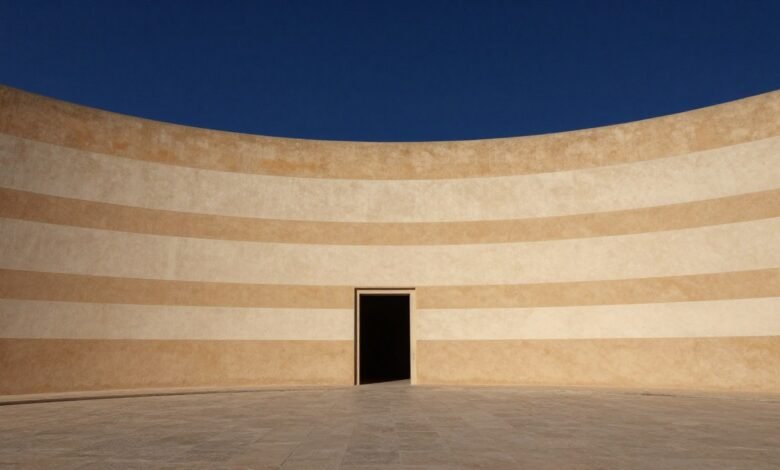
Five new properties have been added to India’s tentative list for UNESCO World Heritage status, according to reporting carried on 27 November 2026. Outlook Traveller highlighted the Udayagiri Caves among the sites in focus, while different outlets have reported varying cumulative totals depending on how existing and newly proposed properties are counted.
The exact count is less important than what the list represents. A tentative-list entry is the first formal step towards a World Heritage nomination. It is not recognition, protection or a tourism certificate. It is a statement that a country intends to prepare a case and that the site will be assessed against UNESCO’s criteria.
What Tentative Status Means
Under the World Heritage process, a country first places a property on its tentative list. It then prepares a nomination dossier, usually with detailed documentation of the site’s outstanding universal value, boundaries, management plan and conservation arrangements. Only after that does the property enter the evaluation process that leads to a World Heritage Committee decision.
That long pipeline is often ignored in the excitement of an announcement. Adding a site does not automatically bring funding, legal protection or global attention. It creates an obligation to make the case — and, more importantly, to manage the place well enough that the case can be made honestly.
A tentative list is a promise, not a trophy. The trophy, if it comes, belongs to the people who kept the place alive.
Why Udayagiri Matters
The Udayagiri Caves are a reminder that India’s heritage is not confined to temples, palaces and forts. Rock-cut caves carry layers of religious, artistic and political history in a single landscape. Their inclusion in the conversation signals a wider view of what deserves preservation: sculpture, inscription, topography and living local practice together.
India’s tentative list has long been a map of its civilisational range, from archaeological sites and hill landscapes to urban histories and intangible traditions. Expanding it is useful because the World Heritage framework tends to reward places that are already famous. A broader list can bring less-visited sites into national planning before they are lost to neglect or development pressure.
The Real Work
First is documentation. A nomination requires defensible boundaries, accurate inventories and a clear account of why the property matters beyond a district or a state. That work is slow and unglamorous, and India has often been late to it.
Second is conservation. Listing can raise visitor numbers, which is valuable for local economies and dangerous for fragile sites. Without carrying-capacity studies, waste management, trained guides and revenue sharing, heritage tourism can damage the thing it is selling. Our coverage of Maharashtra’s Blue Flag beaches showed how certification can focus attention on standards that were previously invisible. Heritage sites need the same discipline.
Third is community. A site’s guardians are often the people who live beside it. If they are treated as obstacles to a nomination rather than partners in stewardship, the dossier may succeed while the place deteriorates. The best heritage policy is local ownership backed by public money and technical expertise.
India’s cultural economy has been gaining global attention, from Art Mumbai’s international footprint to the push for museums that can hold public memory. World Heritage is a different instrument, but it serves a similar purpose: it forces a society to decide what it will keep.
What to Watch
Watch for the formal nomination files, not just the announcement. Watch whether state governments publish management plans and budgets. And watch whether local communities report benefits before UNESCO ever votes.
Five additions to a tentative list are a good news story only if they lead to better protection. The measure of success is not a plaque. It is a site that is documented, funded, visited responsibly and handed to the next generation in better condition than it is today.
Sources: DD News, 27 November 2026; Outlook Traveller; Down To Earth on the earlier expansion of the list.